5 Often Overlooked Amenities You Shouldn’t Ignore in luxury apartments edwardsville il
Buy Vs Rent: Comprehending the Advantages And Disadvantages of Residing In an Apartment
The decision to acquire or rent an apartment involves mindful consideration of various elements. Each alternative provides unique advantages and drawbacks that can considerably impact one's economic circumstance and way of life. Customers often face big upfront costs and ongoing upkeep obligations, while renters appreciate versatility and lower preliminary investments. As people weigh these components, comprehending the nuances of each choice ends up being necessary. What factors eventually influence the decision between these two courses?
The Financial Aspects of Purchasing an Apartment
When thinking about the acquisition of an apartment, potential customers should carefully assess the economic implications involved. The initial prices can be substantial, consisting of the down settlement, closing expenses, and various charges related to examinations and appraisals. Customers ought to additionally consider continuous expenses such as residential property taxes, house owners' organization (HOA) costs, insurance, and upkeep costs.Financing choices play an essential role in the general price of the house. luxury apartments for rent edwardsville il. Interest rates, finance terms, and credit score ratings can greatly influence regular monthly home mortgage settlements. Additionally, potential purchasers must consider the long-lasting investment value of the property, as realty can value over time, offering financial advantages in the future.Ultimately, comprehensive research and financial planning are fundamental for making an informed decision concerning acquiring an apartment. Customers need to weigh the possible returns against their financial stability and personal scenarios to guarantee a sound investment

The Financial Ramifications of Renting
The economic ramifications of renting consist of monthly rental prices, which can change based on place and market conditions. Renters also birth less responsibility for upkeep costs, as these usually fall on the property owner. The lack of lasting monetary commitment can influence one's ability to construct equity over time.
Monthly Rental Fee Costs
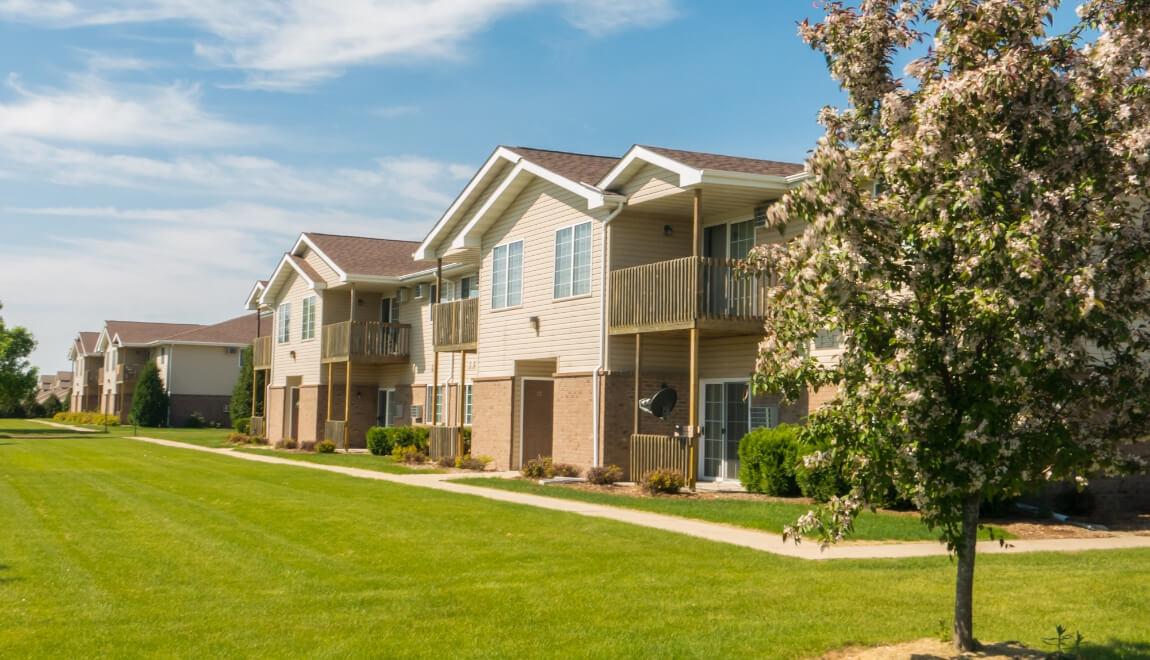
Although numerous individuals are attracted to the flexibility that renting offers, the monetary effects of month-to-month rental fee prices can significantly impact their budget plans. Rent commonly represents a substantial part of an occupant's regular monthly expenditures, typically varying from 25% to 50% of their revenue. This variability depends on variables such as location, home size, and amenities. In addition, rent settlements are required consistently, making it vital for tenants to preserve a secure earnings to avoid financial stress. Unlike home mortgage payments, which construct equity over time, rent settlements do not add to property buildup. Therefore, possible tenants need to meticulously analyze their monetary circumstances and take into consideration exactly how month-to-month lease prices will suit their overall spending plan before devoting to a rental contract.
Upkeep Costs Duty
While tenants enjoy the benefit of not needing to stress about several maintenance jobs, they may still deal with substantial financial effects concerning obligation for upkeep. Commonly, property managers are in charge of major repair services and upkeep, which relieves some costs for tenants. Nonetheless, tenants could be accountable for minor repair services, such as changing light bulbs or repairing a leaking tap. Furthermore, unanticipated expenses can occur from concerns like plumbing or electrical failures, which might result in increased financial concern if not covered by the lease agreement. Occupants should also think about the capacity for lease boosts to cover upkeep expenses. As a result, while maintenance obligations are mainly moved to property managers, occupants must remain familiar with their obligations and possible costs that can arise throughout their lease term.
Long-lasting Monetary Dedication
Financial stability commonly rests on the choice in between leasing and purchasing an apartment, specifically when thinking about the long-lasting commitments linked with each option. Leasing might show up financially versatile, permitting people to relocate quickly and stay clear of hefty deposits. However, it can result in continuous month-to-month expenses without building equity. Tenants undergo yearly rental fee increases, which can strain budget plans gradually - luxury apartments edwardsville il. Additionally, the lack of ownership indicates that rental repayments do not add to lasting wide range buildup. On the other hand, acquiring an apartment generally involves a considerable upfront investment but offers the capacity for building worth recognition. Eventually, the option between renting and buying needs mindful examination of one's monetary goals and long-term security
Stability vs. Adaptability: Which Is Right for You?
When thinking about house living, individuals often consider the advantages of stability versus the requirement for versatility. Long-term dedications, such as buying a building, can supply safety however may restrict wheelchair and adaptability. Alternatively, leasing enables better freedom to transfer, satisfying those whose circumstances could alter frequently.
Lasting Commitment
Choosing between buying and renting out an apartment usually pivots on the person's wish for stability versus their need for adaptability. A long-lasting commitment to acquiring normally suggests an intention to resolve in one place, fostering a feeling of permanence. Homeownership often comes with monetary benefits, such as equity structure and potential recognition in residential property value, adding to long-term protection. On the here other hand, renting enables better adaptability, making it possible for people to change their living circumstance based upon life conditions or preferences. Occupants may like this alternative during altering durations, such as work adjustments or personal growth. Ultimately, the option in between a lasting dedication to possession or the flexibility of renting reflects personal concerns and future ambitions, greatly impacting one's way of life and monetary planning.
Movement and Adaptability
The choice to get or rent out an apartment substantially affects a person's wheelchair and versatility in life. Homeownership normally supplies security yet can restrict versatility due to the long-lasting monetary commitment and initiative needed to sell a building. Alternatively, leasing permits better movement, enabling people to move conveniently for task opportunities or way of living modifications without the worry of offering a home. This adaptability can be specifically useful for those in shifting phases of life, such as pupils or young experts. While leasing can bring about a lack of durability, it offers the flexibility to explore various communities and cities. Ultimately, the selection in between buying and renting out rest on personal top priorities-- stability versus the demand for versatility in an ever-changing world.
Upkeep Responsibilities: Homeownership vs. Renting out
While homeownership usually brings the appeal of independence, it likewise comes with a substantial concern of upkeep obligations that occupants usually avoid. House owners must manage fixings, landscaping, and regular maintenance, which can be both lengthy and pricey. This includes resolving plumbing problems, roof repair services, and appliance breakdowns, every one of which can include stress and anxiety to the house owner's life.In comparison, renters normally benefit from a much more hands-off strategy to maintenance. Building managers or property owners take care of repair work and maintenance jobs, permitting renters to focus on their living experience rather than building care. This division of obligations can be specifically appealing for those that prioritize flexibility and simplicity in their living arrangements.Ultimately, the selection between purchasing and renting copyrights on one's determination to tackle maintenance obligations, with homeownership requiring a dedication that lots of tenants may prefer to avoid.
Financial Investment Prospective: Getting an Apartment
Investing in an apartment can provide considerable economic benefits over time. As home values normally value, home owners might see their financial investment expand substantially, generating a successful return when marketing. In addition, having an apartment supplies a hedge against inflation, as mortgage repayments remain stable while rental prices may raise. The capacity for rental income includes another layer of economic advantage; proprietors can rent out their devices, generating passive earnings that can offset mortgage prices and add to overall riches accumulation.Furthermore, tax obligation benefits usually go along with home ownership, consisting of deductions for home loan interest and real estate tax. These economic incentives improve the good looks of purchasing an apartment as a financial investment. Nonetheless, potential capitalists ought to also take into consideration market fluctuations and connected possession prices, such as maintenance and association charges. A comprehensive evaluation of these variables can help identify if buying an apartment lines up with an individual's financial goals and take the chance of tolerance.
Way Of Living Considerations: Features and Area
Choosing the ideal apartment includes mindful consideration of way of life variables, especially features and area. Many people focus on amenities that enhance their living experience, such as health and fitness centers, pools, or common areas. These centers can notably influence everyday regimens and social communications, making home life much more enjoyable.Location is similarly crucial; closeness to function, schools, buying, and public transportation impacts convenience and total top quality of life. Urban occupants may prefer apartment or condos in busy communities, while those seeking tranquility may like rural settings. In addition, safety and security and neighborhood ambiance play crucial duties in establishing an excellent location.Ultimately, the ideal mix of features and location can produce a harmonious living setting that straightens with personal preferences and lifestyle demands. Each individual's top priorities will vary, making it important to evaluate these variables very carefully before making a choice about acquiring or renting an apartment.
Lasting vs. Short-term Living Plans
The decision in between long-lasting and temporary living arrangements significantly impacts one's home experience. Long-term leasings generally provide stability, enabling lessees to establish origins in an area. This stability commonly leads to a much deeper understanding of neighborhood facilities, social links, and personal convenience. In addition, long-term leases may give lower regular monthly prices contrasted to short-term choices, which are commonly more costly because of flexibility.Conversely, temporary setups appeal to those seeking wheelchair or short-lived real estate remedies. This adaptability can be advantageous for individuals exploring brand-new cities, taking a trip for work, or researching. However, temporary leasings generally lack the sense of permanence and may involve frequent relocations.Ultimately, the choice between lasting and temporary living depends upon specific circumstances, priorities, and lifestyle preferences. Mindful factor to consider of these factors can result in a much more gratifying apartment experience, tailored to one's particular requirements.
Often Asked Inquiries
Just How Do Building Tax Obligations Impact Home Possession Costs?
Real estate tax greatly affect the general costs of apartment possession. Higher tax obligations can boost regular monthly expenses, influencing budgeting. In addition, varying tax rates may impact home values, making ownership much less monetarily beneficial in certain markets.
What Are Common Lease Lengths for Rental Apartment Or Condos?
Regular lease sizes for rental houses typically range from 6 months to one year. Some landlords may supply month-to-month alternatives, while longer leases of two years or even more can also be bargained depending upon tenant demands.
Can I Discuss My Lease Price With Landlords?
Working out rent prices with proprietors is often feasible, depending upon market conditions and the proprietor's versatility. Prospective tenants need to prepare to provide their instance, highlighting factors for negotiation to raise their chances of success.
What Occurs if I Required to Damage a Rental Lease?
When a tenant needs to break a rental lease, they might sustain penalties, forfeit their safety and security deposit, or face lawful effects. It's important to examine the lease terms and connect with the landlord quickly.
Are There Hidden Charges When Acquiring an Apartment?
When purchasing an apartment, prospective concealed costs might include shutting expenses, upkeep costs, real estate tax, and homeowners association dues. Buyers ought to thoroughly review all economic aspects to avoid unanticipated expenses post-purchase.